Rusty Metal Texture Backgrounds: Authentic Industrial Design Assets
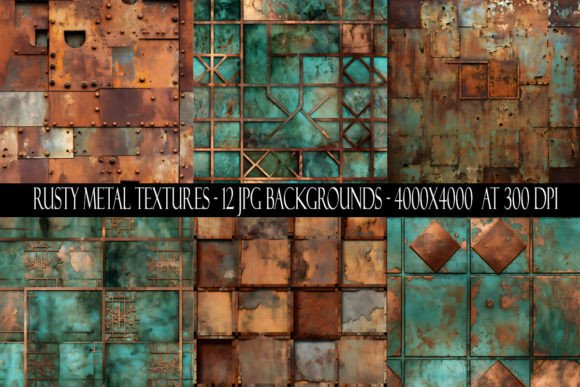
There’s an undeniable quality to aged metal. It speaks of history, durability, and a raw, unpolished authenticity that modern, glossy surfaces often lack. For designers and creators seeking to inject this powerful visual language into their work, a high-quality Rusty Metal Texture Backgrounds collection is more than just a design asset—it’s a foundational element for building mood and narrative. This particular collection offers twelve distinct JPG backgrounds, each a 4000x4000 pixel canvas at 300 dpi, ready for both digital and print applications.
Understanding the Visual Character of Rusty Textures
What makes a rusty metal texture so compelling? It’s the complex interplay of color, form, and implied history. You’ll find deep umbers, burnt oranges, and ochre yellows layered over hints of steel grey or dark brown. The surface is rarely uniform; it’s a landscape of pitting, flaking, and oxidized patterns that create incredible visual depth. This isn’t a sterile, repeating pattern. Each background in this pack is a non-seamless capture, meaning it presents a unique, organic vignette perfect for projects where a single, impactful statement is needed.
The personality of these textures is gritty, resilient, and slightly nostalgic. They evoke feelings of industrial heritage, abandoned places, or the hard-won patina of tools well used. This style avoids the cold perfection of digital rendering, offering instead a tangible, tactile quality that can ground a design and make it feel more real and relatable.
Practical Applications Across Creative Fields
The versatility of a high-resolution rusty metal background is remarkable. Its strength lies in its ability to serve as a powerful stage for other design elements, or as a subtle, atmospheric layer itself.
- Branding and Logo Design: For businesses in crafting, artisanal goods, hardware, automotive, or even rustic-themed food and beverage, these textures can become a core part of the brand identity. Using a subtle rust texture as a background for a logo or business card immediately communicates authenticity and durability. It’s a creative font for the background layer, setting a tone that a plain white card never could.
- Editorial and Packaging Design: Magazine covers, book dust jackets, or product packaging for items like coffee, tools, or specialty spirits gain immense character. The texture provides a rich, tactile backdrop that makes typography pop. Pairing a clean, modern sans serif font or a bold display font against this gritty surface creates a striking contrast that enhances visual hierarchy and readability.
- Digital and Web Design: Website hero sections, blog headers, and social media graphics can use these backgrounds to break the monotony of flat design. They’re particularly effective for brands wanting to project a sense of heritage, craftsmanship, or strength. The high resolution ensures they look sharp on retina displays and in large format.
- Print-on-Demand and Crafts: This is where the included licensing shines. The collection comes with commercial and print-on-demand rights, making it ideal for entrepreneurs creating merchandise. Think T-shirts, posters, mugs, or journal covers. The 4000x4000 pixel size and 300 dpi resolution are perfect for high-quality physical prints, and the watermark is removed upon download for immediate use.
Guidance for Choosing and Using These Textures
Integrating a strong texture like this requires thoughtful application. It’s not about slapping it on every project, but about using it where its personality aligns with the message.
- Evaluate Project Fit: Does your project need to convey warmth, history, ruggedness, or an industrial vibe? If you’re designing for a minimalist tech startup, this might not be the right fit. But for a vintage motorcycle shop, a craft brewery, or a novelist writing a post-apocalyptic tale, it’s perfect.
- Test Font Pairings Thoughtfully: The key to modern typography with such a textured background is contrast. A highly detailed script font or an intricate serif font can get lost in the rust. Opt for typefaces with strong, clean lines. A bold sans serif font often works beautifully, its simplicity standing in sharp relief against the complex background. Always test your font pairing on the actual texture to check legibility.
- Use for Visual Hierarchy: Let the rusty texture define the mood and background layer. Use your typography and other graphic elements (like clean lines or solid color blocks) to establish hierarchy and guide the viewer’s eye. The texture shouldn’t compete with your headline; it should frame it.
- Understand the Assets: The collection provides 12 unique JPGs in a zip file. Review all of them to find the right level of rust, color variation, and complexity for your specific need. Some might have more pronounced pitting, others a smoother gradient of oxidation.
- Leverage the Commercial License: The included commercial and print-on-demand licensing is a significant value. It allows you to use these assets in products for sale without worrying about per-sale fees, which is crucial for small business owners and independent creators.
Ultimately, a set of Rusty Metal Texture Backgrounds is about adding a layer of authentic storytelling to your visual projects. It’s a design asset that does more than fill space—it evokes a feeling, establishes a context, and provides a rich, tactile foundation for your creative work. By understanding its character and applying it with intention, you can elevate designs from merely attractive to genuinely resonant.