Elevate Your Projects with Marble Backgrounds
In the world of design, the foundation of your project often sets the entire mood. You can have the perfect typography and a compelling call to action, but if the canvas beneath it all feels flat, the message gets lost. This is where the power of high-quality textures comes into play. Specifically, Marble Backgrounds offer a timeless, luxurious aesthetic that instantly elevates any visual content. Whether you are a photographer looking for a clean surface or a brand strategist aiming for sophistication, understanding how to leverage these assets is crucial for modern visual communication.
The Anatomy of a Premium Texture
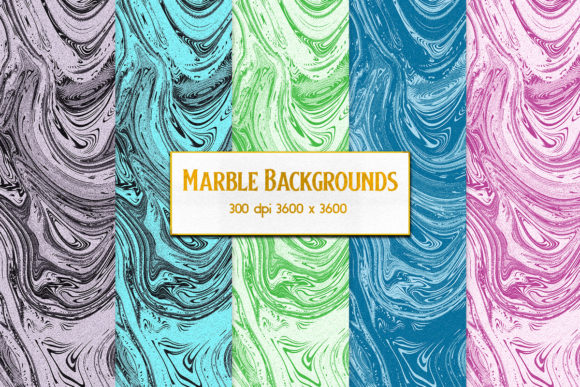
When we talk about Marble Backgrounds, we aren't just talking about a grey-and-white swirl. Marble is a metamorphic rock that carries a visual language of its own. It speaks of geology, patience, and elegance. The visual characteristics often include soft, flowing veins that contrast against a solid or textured base. These veins can range from sharp, jagged lines to soft, watercolor-like washes, offering a wide spectrum of styles within a single category.
The personality of marble is inherently versatile. It can feel cool and clinical in a medical or architectural context, or warm and organic when paired with earthy tones. For the creative professional, the appeal lies in its neutrality. Unlike a busy pattern or a bright color block, marble allows foreground elements—be it text, product photography, or UI elements—to take center stage without fighting for attention. It provides visual hierarchy by grounding your design in a texture that feels substantial and real.
Why Resolution Matters: The 300 DPI Standard
A common pitfall for content creators is using low-resolution textures that pixelate upon scaling. This breaks the illusion of quality immediately. When sourcing Marble Backgrounds, the technical specifications are just as important as the aesthetic. For instance, a collection offering 10 Backgrounds at 300 DPI and 3600 px is built for professional output.
Why does this matter? 300 DPI (dots per inch) is the standard for high-quality print production. If you are designing packaging, business cards, or flyers, anything less than 300 DPI will result in blurry or muddy prints. The 3600 px dimension ensures that the image is large enough to cover full-page layouts or serve as a hero image on a website without needing to tile or stretch, which often reveals seams. For logo design or packaging design, having that crispness ensures that your brand identity looks polished and professional.
Strategic Applications for Modern Creators
How you use these backgrounds depends heavily on your medium and audience. The adaptability of marble makes it a favorite across various industries, but the application requires a thoughtful approach to maintain authenticity.
Digital Presence and Web Design
In web design, texture adds depth to a flat screen. A subtle marble background can replace a solid white or grey background to add interest without compromising load times or readability. It works exceptionally well for hero sections, sidebar widgets, or footer areas. For social media graphics, marble is a lifesaver. It creates a cohesive "grid" aesthetic on platforms like Instagram. It provides a consistent backdrop for quotes, announcements, or product features, ensuring that your feed looks curated rather than chaotic.
Editorial and Print Design
For editorial design, such as magazine layouts or book covers, marble textures can evoke a sense of history or luxury. It pairs beautifully with serif fonts for a classic look or sans-serif fonts for a modern, minimalist vibe. When used in packaging design, marble suggests a premium product. Think of high-end cosmetics, stationery, or artisanal goods. The texture implies that the product inside is valuable and carefully curated. It is a design asset that communicates quality before the customer even reads the label.
Small Business and Branding
Entrepreneurs and small business owners often struggle to compete with larger brands that have massive design budgets. High-quality Marble Backgrounds are a cost-effective way to bridge that gap. They allow you to create professional-looking marketing materials, from email headers to invoice backgrounds, that build trust with your audience. Consistency is key in brand identity; using the same marble texture across your website, business cards, and social media creates a recognizable visual thread that ties your brand together.
Pairing and Practicality
Once you have selected your marble texture, the next step is integration. This involves choosing the right font pairing and ensuring your text remains legible. Because marble can be visually "noisy" with its veins and variations, you need to create contrast.
Typography Considerations
Avoid placing thin, light-colored text directly over a high-contrast marble vein. It will disappear. Instead, use a semi-transparent overlay (like a white or black box with lowered opacity) behind your text to separate it from the background. Alternatively, use bold, heavy typefaces. A display font with good weight works well here. If you are using a serif font, ensure the x-height is sufficient for readability. For a more contemporary feel, a clean sans serif font often cuts through the texture better than an ornate script font or handwritten font, which can get lost in the stone's natural lines.
Evaluating Fit and Licensing
Before finalizing a design, always test your Marble Backgrounds across different devices. What looks elegant on a high-resolution monitor might look muddy on a mobile screen. Zoom in to check for artifacts, especially if you are using the image for print design.
Furthermore, you must consider the commercial font and asset licensing. If you are using these backgrounds for client work or products you intend to sell, ensure the license permits commercial use. Most premium font and asset marketplaces offer clear licensing tiers, but it is the designer's responsibility to verify this. Using assets correctly protects your business and respects the creators who produced the work.
Conclusion
Ultimately, Marble Backgrounds are more than just a trend; they are a staple in the designer's toolkit. They offer a blend of natural beauty and structural integrity that few other textures can match. By focusing on high-resolution assets—like the 10 Backgrounds at 300 DPI—you ensure that your work stands up to professional scrutiny, whether it is viewed on a screen or held in hand. For the designer, marketer, or entrepreneur, mastering the use of marble textures is a practical step toward creating more engaging, polished, and effective visual content.